


A Fundamental Shift
In the span of months, generative AI transformed how enterprise buyers research, evaluate, and decide. This chapter details five fundamental shifts about how buyers behave. Once you see them, it will become clear why leaning deeply into our buyer's world is critical to your success.
The 5 Shifts

Shift 1: The AI-Powered Start
Buyers typed keywords into Google, clicked through results, read websites, filled out forms, and slowly built a picture of available solutions.
They ask ChatGPT a question and get a synthesized answer in seconds. Done.
The buyer can prompt "Compare Vendor A, B, and C on full-funnel marketing attribution" and receive an instant comparison of features, reviews, and use cases. No clicking. No forms. No signals to you. AI provides instant, synthesized answers without the friction of multiple clicks and sources. Your carefully crafted website? They may never see it. Your gated content? They'll skip it entirely.. 50% of B2B buyers now START their buying journey in an AI chatbot, not a search engine. This jumped 71% in just four months.
Assume buyers have already asked AI about you before your first conversation. They've seen a comparison. They've read a summary. They've formed an initial opinion. Your job is no longer to introduce yourself. It's to confirm, correct, or expand on what AI already told them. Ask early: "What have you heard about us so far?"
Shift 2: The Compressed Cycle
Research took months. Buyers read analyst reports, attended webinars, scheduled vendor meetings, held committee reviews, and slowly moved through evaluation stages.
Hours. Sometimes minutes.
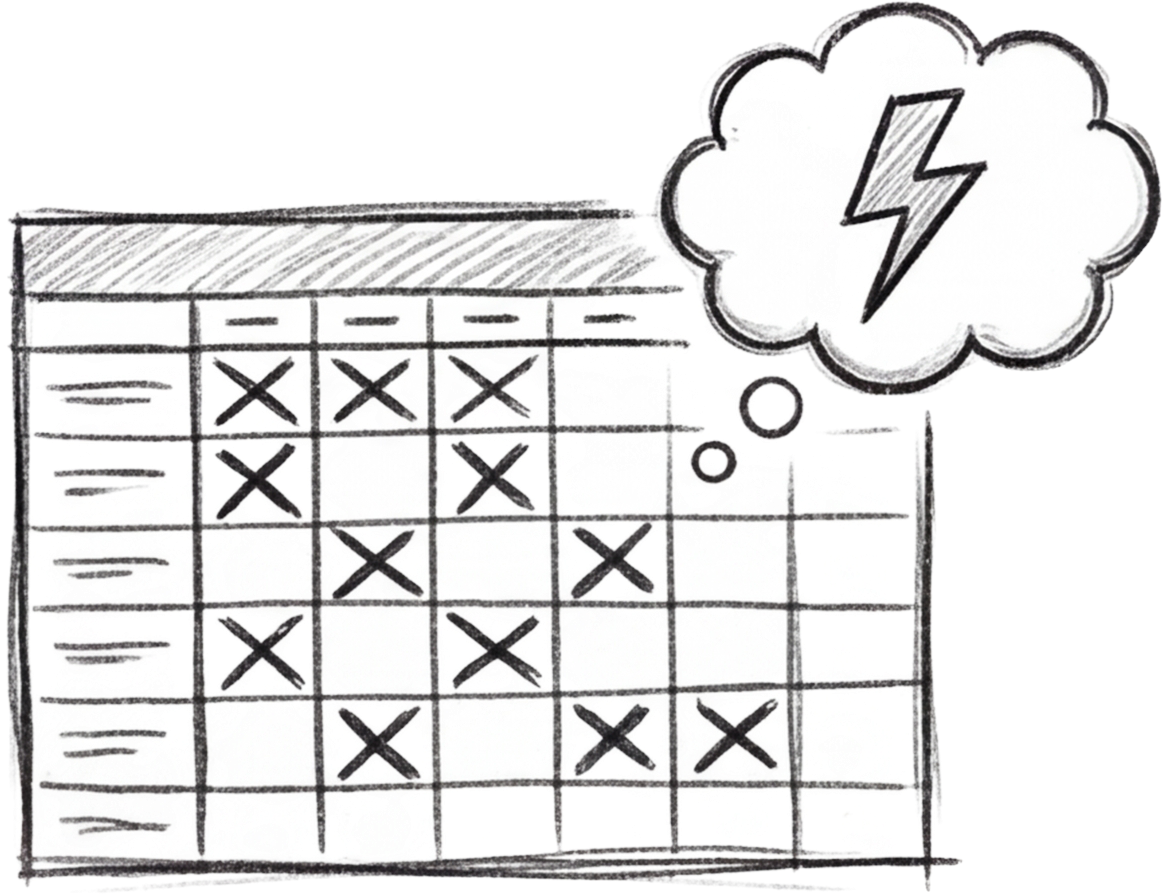
A buyer can prompt "Give me the top five project management tools for distributed engineering teams with Jira integration" and get their shortlist before lunch. AI eliminates manual synthesis across multiple sources. It collapses research timelines dramatically. The evaluation that once gave you multiple touchpoints to build familiarity? Gone.. What used to be a multi-month discovery process is now compressed into a single afternoon.
You cannot count on multiple touchpoints to build relationships. Every conversation must deliver immediate value. There's no "getting to know you" phase anymore. No warm-up calls. No gradual rapport-building across a series of meetings. Come prepared to add insight from the first interaction. If you're planning to build up to your value over several meetings, you've already lost.

Shift 3: The Invisible Evaluation
Website visits, form fills, content downloads, and webinar attendance created trackable intent signals. Marketing knew who was interested. Sales could prioritize based on lead scores.
AI queries and third-party summaries create no signals at all. Buyers research you without ever touching your systems.
Buyers have been dubbed "invisible buyers" because their entire research journey happens under the radar. They learn about your product via AI summaries, third-party sites, and chatbot conversations. Your CRM shows nothing. Your intent data shows nothing. But they're deep in evaluation. By the time the buyer reveals themselves, they're likely far down the decision path. And they expect you to keep up.. Your future customer might be researching you right now without ever triggering a form fill or visit in your analytics. You're influencing deals you can't track.
You cannot count on lead scores or intent signals to tell you who's interested. Treat every inbound inquiry as potentially late-stage. That "cold" contact who just reached out? They may have been researching you invisibly for weeks. They may have already compared you to three competitors. They may be ready to make a decision. Be ready to engage at depth immediately. Every inbound could be further along than it appears.
Shift 4: The Late-Stage Arrival
Buyers engaged sales early in the process. They were looking for education, options, and guidance. Sales guided the journey and controlled information flow.
Buyers control everything. Sales is a late-stage checkpoint, not a starting point.
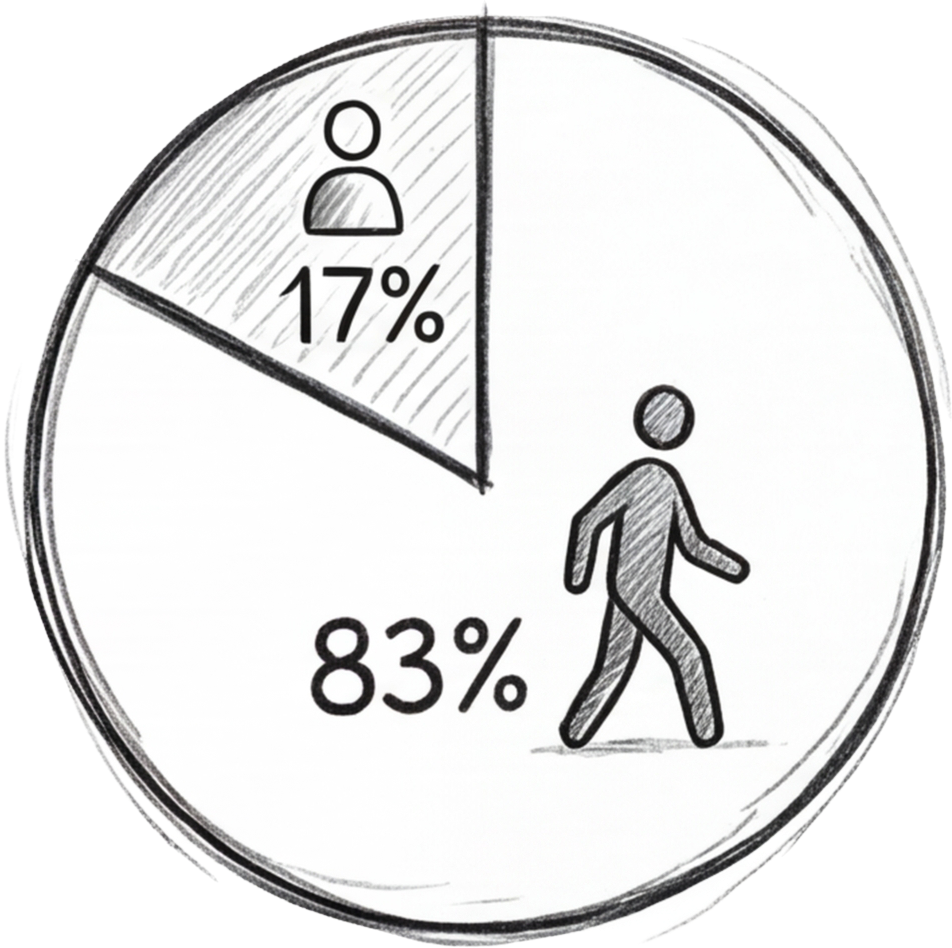
They've already decided who's on the shortlist before you know they exist. Buyers prefer to form independent opinions before engaging sellers. They want to avoid being influenced or "sold to." They'll talk to you when they're ready, not when you want them to.. Buyers spend 83% of their journey in self-directed research. Only 17% involves any sales interaction at all. 90% of buyers do substantial research before their first engagement with a supplier. 37% compare vendors in-depth before ever talking to sales.
When buyers reach out, they've already formed opinions about you. Your job isn't to educate. They don't need your overview. They don't want your company history. They've already seen the comparison chart. Your job is to either validate their research with proof points or challenge their assumptions with insights they haven't considered. Come ready to do one or the other. Skip the 101 briefing. If they wanted that, they would have asked ChatGPT.

Shift 5: The Expertise Expectation
Buyers needed sellers for product education, feature explanations, and demonstrations. Information asymmetry meant sellers knew more than buyers about their own solutions.
Information asymmetry is gone. Buyers need validation, nuance, proof points, and expertise BEYOND what AI already told them.
They've already consumed AI-generated product information and basic comparisons. As one Chief Business Officer put it: "By the time a vendor reaches out, we're already deep into evaluation. If a rep isn't enabled to demonstrate expertise and transparency throughout the sales cycle, then they are out, no matter how good their product is." The trust bar is higher. Any lack of candor or inability to answer detailed questions can be a dealbreaker. Buyers can fact-check your claims via AI or peers in real time.. By the time a buyer speaks to you, they may have a sophisticated understanding of the market landscape. Generic demos get one chance. Miss, and the deal is over.
Stop explaining features. Buyers already know them. Your value is bringing context they can't get from AI: specific customer stories from their industry, implementation realities and honest tradeoffs, nuances that don't show up in comparison charts, and proof points that validate what they're hoping is true. Be the expert who validates or challenges what AI told them. That's the only role left.
The Single Thread
One pattern runs through all five shifts: Buyers arrive informed and tune out when they don't hear something new.
They've done the research. They've built the shortlist. They've formed opinions. And now they're sitting in front of you, waiting to see if you're worth their time.
Most sellers will keep running feature-first presentations. They'll give the same overview they gave last year. They'll treat the buyer like they're starting from zero.
That's your opening.
The sellers who recognize these shifts and change with them will win. The ones who don't will watch their win rates decline quarter after quarter, missing the real problem: they're no longer worth talking about.
What Comes Next
Understanding the shifts is step one. Responding to them is step two.
The next chapter shows how you respond: five parallel shifts that transform you from another vendor into someone worth talking about. Then the rest of this book gives you the specific techniques to make those shifts real in every conversation.
The window is shrinking. Let's make sure you're ready when it opens.
References
Behavioral science research supporting this chapter