



TL;DR
Here's the truth: your meeting isn't over when you hang up the Zoom. It's over when your champion pitches you to their boss-without you in the room. You need to give them something worth repeating. This chapter shows you how to reverse-engineer conversations that happen after you leave, ensuring your solution becomes the story they tell. Because deals aren't won by what you say-they're won by what they say about you.
Imagine stepping into an Uber and noticing that the driver does not use the application's navigation. When you ask if they know where to go, they reply that "we will know when we get there". I am not sure about you, but I would become anxious and arrange for another way to get there.
When it comes to presentations, let's set an audacious destination - arriving at something remarkable.
In one of Seth Godin's talks he strips away any ego associated with creating something remarkable and breaks down what exactly it means - something worthy of being remarked upon. Distinctive items in a homogeneous set are remembered better - this is known as the isolation effect. This is a powerful way to examine the outcome or destination that we wish to arrive at and can use this as our foundation to ask a few simple questions.

What Will They Say?
Small adjustments transform a conversation from "smart person with interesting ideas" to "helpful guide to success." Starting with this in mind helps you make minor but important adjustments to how you frame and share your ideas and content.
Take time to ensure that the depth of what you share is aligned to your audience's perspective. Use an empathetic approach to place yourself in the shoes of those you are sharing with and if you believe that your idea, product or service can help them, start with their perspective in order to open the door to a better path. If this door isn't open, they cannot walk through.
Though what you say is important, it is what they say after the meeting that matters most. Research shows B2B buying groups have grown from 5.4 to 6.8 stakeholders, reaching 13 in enterprise deals - your audience must retell your message to others. Moreover, 57% of B2B buying processes stall because internal stakeholders cannot agree, making simple, repeatable messages essential.
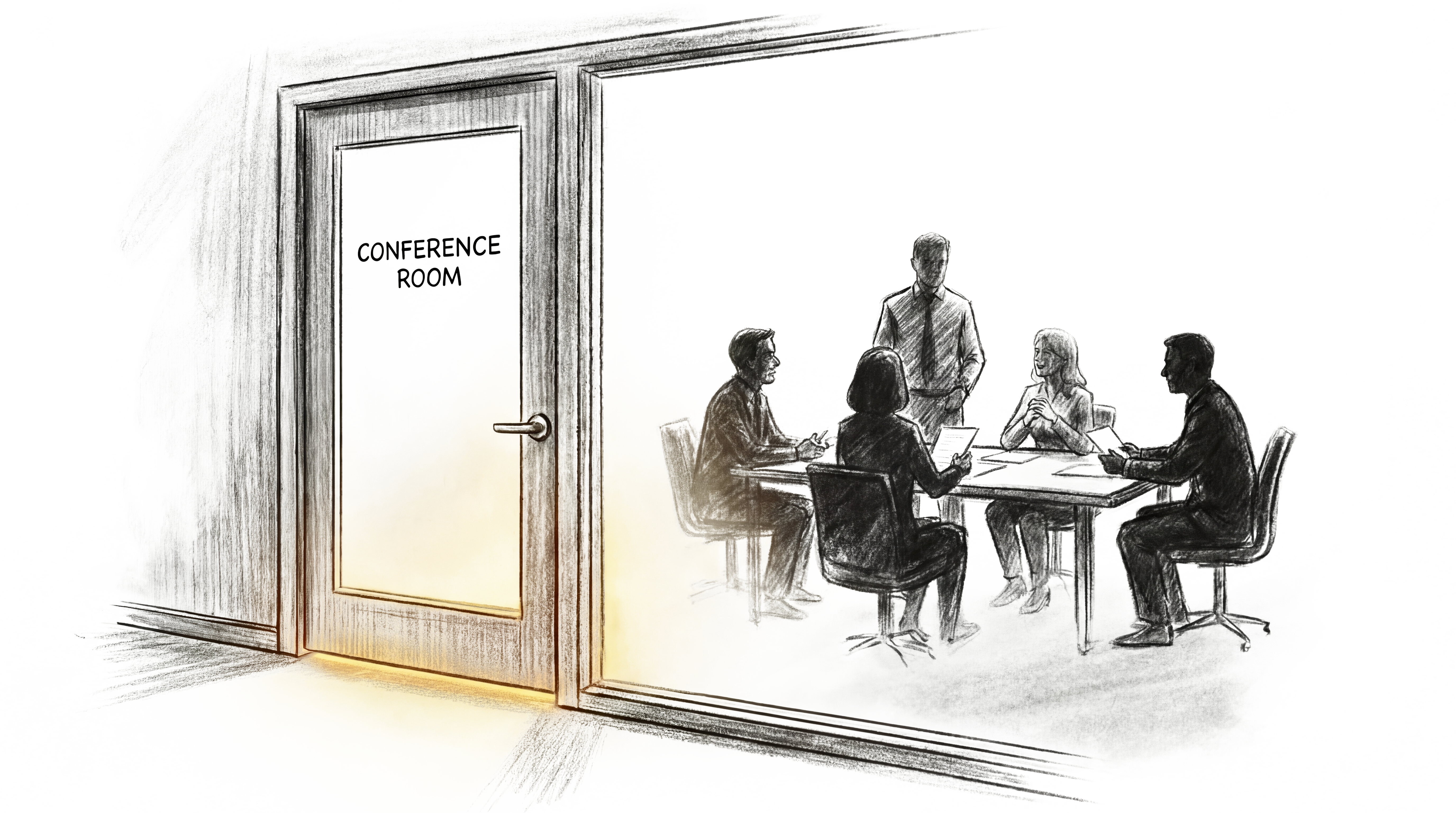
Reverse Engineering your Meeting Outcome
Research shows that specific, challenging goals lead to higher performance, and backward planning (starting from the desired outcome) can increase motivation and improve plan quality.
- 1What do they say about us and our content when we leave the room or Zoom?
- 2What from our session would cause them to discuss us and our content?
- 3What do we hope that they would discuss?
- 4What outcomes would we like from their conversations?
Workbook: The Retellability Test
Before any presentation, ask yourself these questions to ensure your message will spread:
Ask Yourself
If No, Then...
Can I predict what they will say about us when we leave the room?
Define your "remarkable moment" before the meeting
Is there something from my session worth discussing with others?
Add a surprising insight, stark contrast, or memorable transformation
Could my champion retell the core message in 30 seconds?
Simplify until the transformation is crystal clear
Would their stakeholders understand and care without context?
Frame for the CFO hallway conversation, not the technical deep-dive
Is my message remarkable (worthy of being remarked upon)?
Find what makes this distinctive from every other vendor conversation
Have I reverse-engineered from the outcome I want?
Start with what you want them to say, then build backward
References
Behavioral science research supporting this chapter